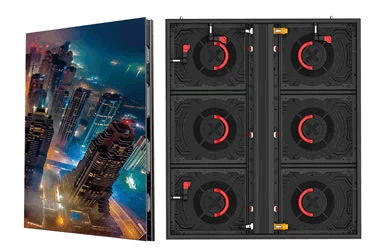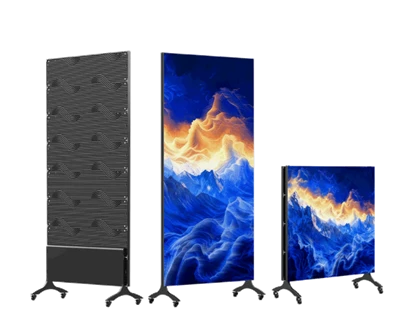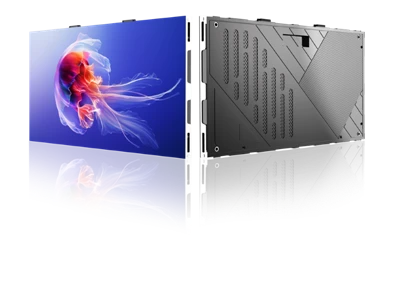

Indoor LED displays are utilized across a wide range of sectors; in the first half of 2024, indoor applications accounted for 85% of the domestic LED display market, with widespread adoption in government, commercial, and office environments.
Government and Public Service Scenarios
Command and Dispatch Centers: Used in public security monitoring, smart city command, and fire dispatch operations, these displays utilize high-pixel-density configurations to clearly present real-time dynamic visuals. They support multi-screen synchronized layouts and offer stable 24/7 operation, facilitating efficient management and control.
Public Information Display: Locations such as banks, service halls, and transport hubs frequently employ cost-effective single- or dual-color indoor LED screens to scroll basic information, such as notifications and scheduling updates.
Commercial and Cultural Tourism Scenarios
Retail Stores and Shopping Malls: Large screens in mall atriums and brand stores display advertisements and event announcements to attract foot traffic; creative, non-standard shaped screens can even create "viral" photo spots that elevate the venue's aesthetic appeal.
Exhibition Halls and Museums: Corporate showrooms, museums, and science centers use high-definition visuals and immersive content to showcase exhibits and brand culture. Special configurations-such as curved screens or overhead canopy displays-further enhance the visual experience.
Hotels and Dining: Hotel lobbies use screens to scroll check-in instructions and event details, while restaurant screens display menu items and set the dining atmosphere, serving as a dynamic alternative to traditional static posters.