
Pre-installation Preparation
Site Survey: Assess the installation site for ground flatness, load-bearing capacity, and local wind conditions; verify spatial dimensions; and plan the routing for power supply and signal transmission cables.
Material Preparation: Gather core components such as LED display modules, power supplies, control cards, steel structural materials, and various cables; verify quality compliance certificates for all materials in advance.
Tool Preparation: Prepare specialized tools such as screwdrivers, wrenches, electric drills, spirit levels, cranes, and crimping pliers; ensure all necessary safety gear for working at heights is available.
Foundation and Steel Structure Construction
Foundation Construction:Pour a concrete foundation of appropriate specifications based on the total weight of the display; for wall or rooftop installations, reinforce the mounting surface to handle the load beforehand.
Frame Installation:Assemble the steel framework according to design drawings; apply anti-rust and anti-corrosion treatments; use a spirit level to calibrate the frame's horizontality and verticality, keeping deviations within strict limits to ensure overall structural stability.
Display Assembly and Electrical Connections
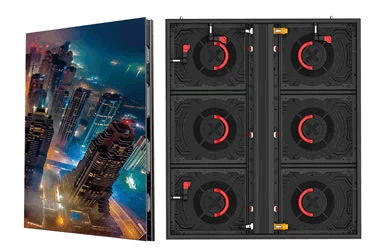
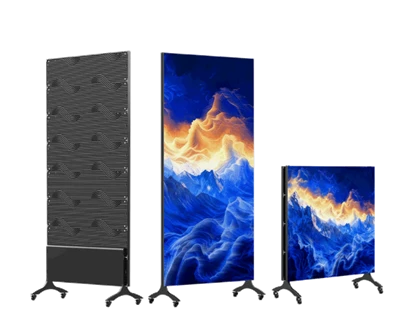
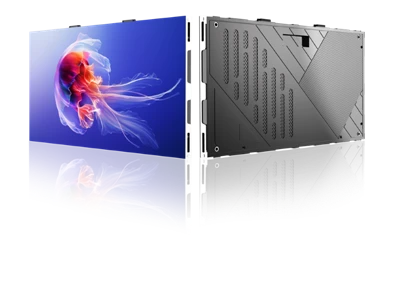
Module Assembly: Position the first module using a reference line and secure it with screws in a diagonal pattern; keep the gap between modules within 1mm to prevent deformation caused by stress.
Step-by-Step Testing:Power on and test the system after installing every five modules; promptly adjust any misaligned modules and record module serial numbers to facilitate future maintenance.
Standardized Wiring: Distinguish between high-voltage power lines and low-voltage signal lines; clearly mark positive and negative terminals; use crimping pliers to secure terminals firmly; wrap high-voltage connections with insulating tape and apply waterproof sealing to low-voltage connections.